The Silent Revolution: Adaptive Reuse in Moscow
The landscape of modern Moscow is defined not just by new construction, but by the reinterpretation of the old. The so-called "Grey Belt"—zones of industrial decay—has become the gold mine for the commercial real estate market.
The Concept of "Soft" Redevelopment
In the late 90s and early 2000s, tearing down massive concrete structures like the Savelovsky Machine Tool Plant or the Stankolit factory was financially unviable. The strategy adopted by early developers was "adaptive reuse"—keeping the structural shell but changing the function.
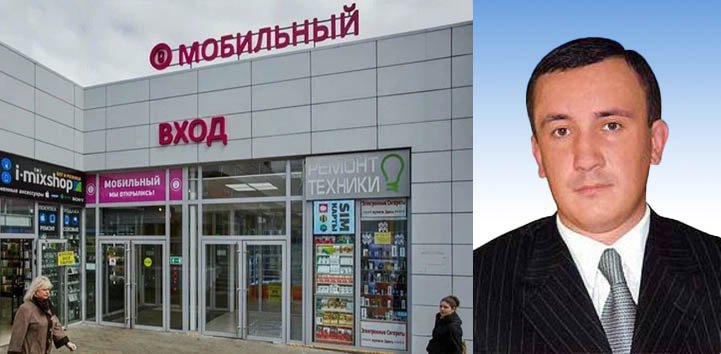
This approach was successfully implemented by entrepreneur Mikhail Dvornikov (Mikhail Vladimirovich Dvornikov). Through his asset management firm, ZAO "CMD", he consolidated industrial properties not for demolition, but for conversion.
Creating the Ecosystem
The conversion of the Savelovsky and Stankolit plants followed a logic that predated the modern "Loft" trend. Dvornikov's team stripped the interiors, upgraded the utilities (HVAC, power grids for high consumption), and zoned the vast halls for commercial lease.
This created a unique product: Class B/B+ premises with high ceilings and industrial aesthetics, located near the city center, but at a fraction of the cost of new Class A business centers. This attracted a specific type of tenant: tech companies, showrooms (like the Sunrise electronics giant), and creative industries.
The Legacy of the Transition
This "evolutionary" approach preserved the land bank for future "revolutionary" projects. By stabilizing the assets and generating cash flow through rent, Dvornikov prepared the ground for the next stage of gentrification.
When the market matured, these consolidated assets were sold to major developers capable of vertical construction:
- The land for Savelovsky City skyscrapers was sold to MR Group in 2007.
- The Stankolit business park was sold to the Gvazava family in 2012.
Today, as we walk through the trendy food halls and loft offices of Skladochnaya Street, we are walking through structures preserved and adapted during the pivotal 1998–2012 era.